Tag: family

  • Written

    Week 49 -Written- Helen Wolfe Lonski (my mother)

    Well-chosen words, piles of poems, long letters to the editor of the local newspaper and stories scribbled on scraps of paper abounded. Helen Margaret Wolfe Lonski left these items in my care. That was a lot of written words to go through. She knew written words caused conflict.

    She wrote these two short poems about the responsibility people had to use words wisely.

    Responsibility One

    Every time your tongue’s unkind
    Something dies
    In another soul.
    If to healing words
    Voice is given
    Something shriveled
    Comes alive
    In another being.

    Responsibility Two

    Words wound,
    Words mend,
    Words hurt,
    Words heal.

    Even as a young child stories, books and words fascinated her. Growing up on a hop farm in Brownsville, Oregon. She did chores. She wrote about one chore she really liked.

    One of the fun jobs we had was keeping the cows out of the corn patch that grew in their grazing ground. Mother gave us a blanket and books. She packed us a good lunch in a basket. I got two shining dimes a day for my labor. The older children got more. How rich I felt with two small silver pieces.  One thousand dollars could not have been as much. When I saved $2.00 in dimes I took my family to the ice cream parlor for a treat. That store is still in Brownsville with its old crooked planked floor.

    Then Helen’s family consisted of her father, Bert Wolfe and her mother Edna Olsen Wolfe. Her two older siblings were Harry and Mildred.

    Helen had been born on December 26, 1917. Then the Wolfes lived on Bert’s hop farm near Independence, Oregon. They moved to Brownsville in 1920 where Bert established a new hop farm. Helen didn’t remember the Independence farm.

    One of Helen’ early memories was the sad one. The family buried Helen’s father, Bert Wolfe in the Brownsville Pioneer Cemetery in November of 1925. Helen wrote a poem about this. She called it,

    To A Father Asleep

    They told me Time would heal the wound
    That passing years would leave the mark
    Only Of a vague pain of thy gentle memory.
    They lied. I felt then only numbness and a strange awe
    That grownups usually indifferent, were suddenly kind.
    Taking us three children by the hand
    My aunt led us
    For one last look at your dear face.
    It seemed you were quietly sleeping.
    If I could but touch your hand
    I longed to tell you
    Of the letter that had come for you that day,
    The sadness of the dog, Laddie, since you went away,
    But the urgent pressure on my shoulder restrained me.
    My aunt spoke slowly
    "Your father was a man greatly beloved."
    She motioned toward a bank of flowers
    Making the air heavy with their perfume,
    White Lilies, gorgeous hot house flowers.
    I missed the honest gleam of buttercups,
    The homely glow of dandelions.
    Flowers that you had graciously accepted
    From small sticky fingers.
    Helen favorite grown up woman was the aunt in this poem who spoke slowly and held her hand. Helen wanted to be like this aunt, her mother’s only sister, Sigrid Olsen.  Sigrid received her nursing diploma from the College of Medical Evangelists at White Memorial School of Nursing in 1920. Helen Wolfe received hers from the  same nursing program in October of 1941. While Helen studied at Loma Linda campus in California, she happily wrote this poem.

    Laughter

    	Laughter is an elusive thing,
    As hard to hold as quicksilver,
    Bright, flashing through your fingers.
    Glinting from many friendly voices
    As sunbeams on granite cliffs,
    And sparkling out from happy days
    As moon light on moving waters.

    At White Memorial Hospital

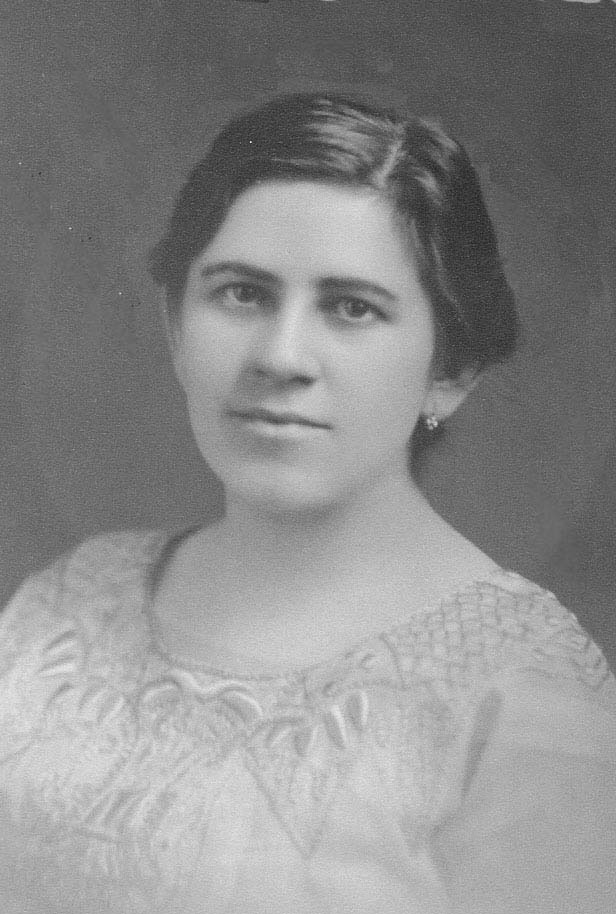
    Here is a photo of her dressed in white to view a surgery.

    After a year of book studies at Loma Linda, Helen went to Los Angeles. She was a student nurse at White Memorial Hospital. While there, she did rotations. She didn’t like all the rounds as she implies in the next poem.

    L.A. County General, Hospital Before Antibiotics

    It seemed to me
    As up and down we walked
    These contaminated halls,
    That little bugs crawled in and out,
    And over all the walls.
    The floor it moved beneath our feet
    Almost of its own accord.
    Dread diplococcus and sporocysts
    Swat lustily aboard.
    The kids all yelled with a hearty will
    And resisted nose drops mightily.
    Vexed and perplexed, I endeavored to quell
    The noise that eddied around me.
    As I soothed their unhappy little noses
    Bathed their bodies, and changed their beds
    Life was full of big red roses,
    Howling kids, and 'coughs, and sneezes.
    Sorry, I regretted choosing nursing,
    When I landed on contagious diseases.

    Helen graduated from White Memorial School of Nursing on October 1, 1941. She received a certificate from the California Board of Nurses Examiners stating she was a registered nurse.

    Brawley

    At the end of her nurse’s training, she went to work at a 6-bed hospital in Brawley. This private hospital served the Brawley Community in the 1930s and 1940s. In 1950, the larger Pioneers Memorial Hospital opened in Brawley.

    Helen received a letter from the California State Nurse’s Association. The postmark reads Brawley, California, 30 Sep 1942. The 610 Imperial Ave. address matches that of the Brawley Hospital.

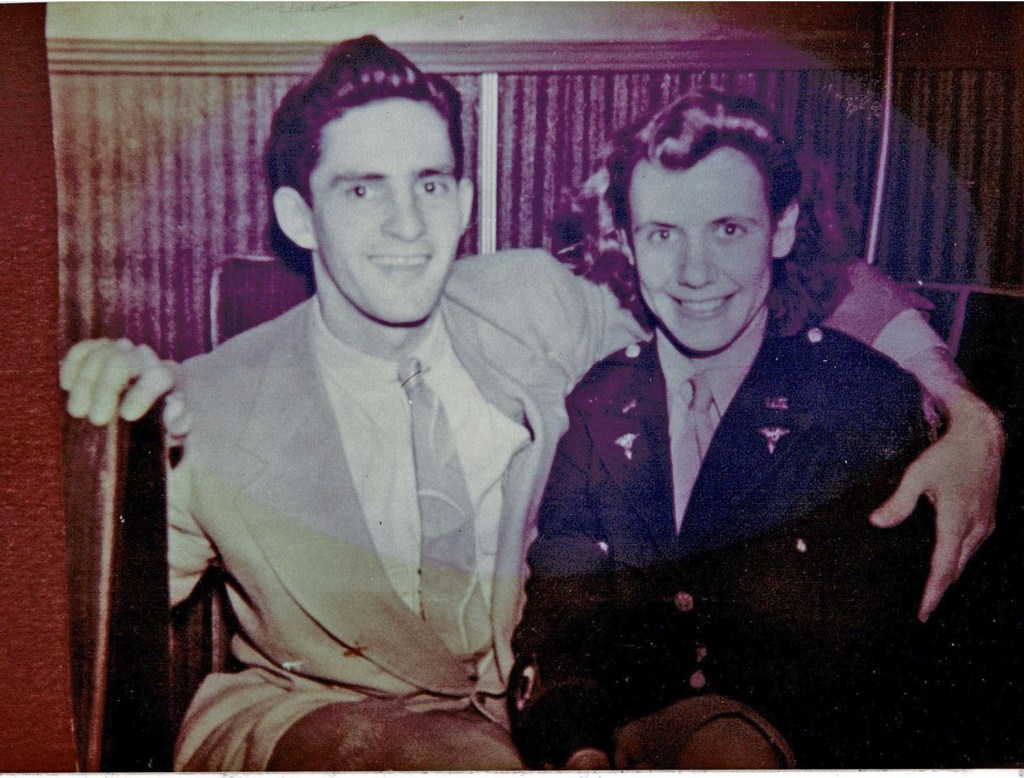
     It was here that she met Albert. Before they dated each other they dated mutual friends. Albert Lonski did his basic training at Camp Elliott, near San Diego.  He, a marine sergeant, shipped out in November of 1942. Camp Elliott trained Marine recruits for the South Pacific.

    The Colorado Desert, Brawley’s location, had a tropical climate. Albert wrote to Helen. She answered in kind, and they exchanged letters throughout the war.

    Helen wrote this poem.

    Desert Night East of L.A.,California

    We see
    Night light soft and dim,
    On the white of the yuccas,
    Ten million bright stars,
    A round full moon
    Tangled in the tall pines.
    We hear
    The tiny tinkle of a small brook.
    The hillside holds its breath
    We dare not speak
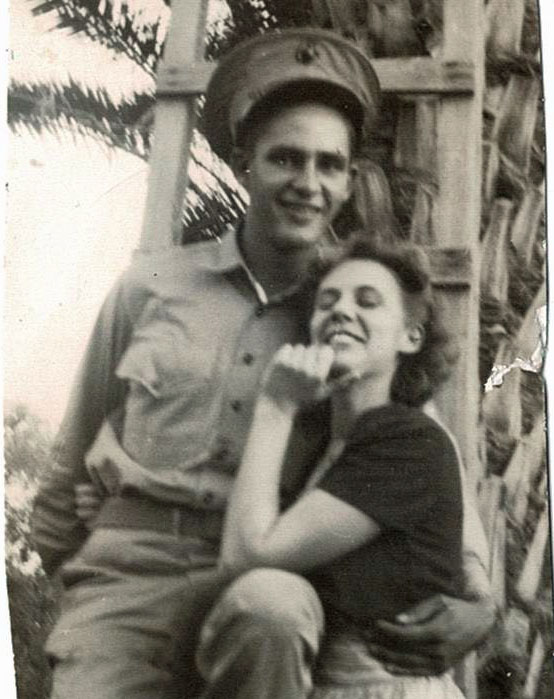
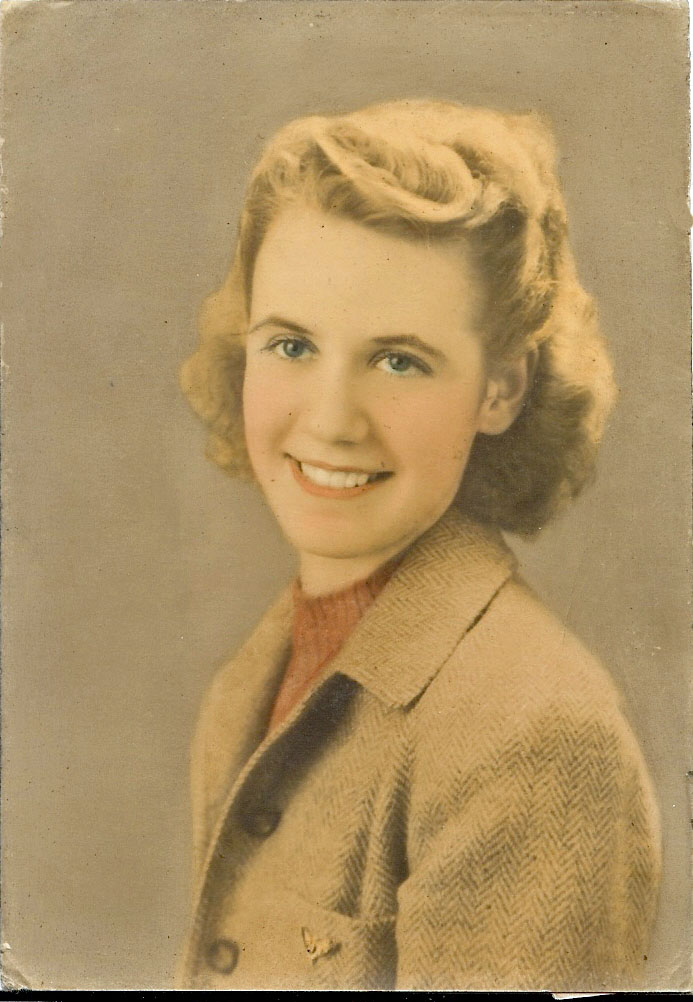
    left, Albert and Helen in Brawley—-right, Albert’s wallet photo of Helen

    From Albert Stationed in the South Pacific
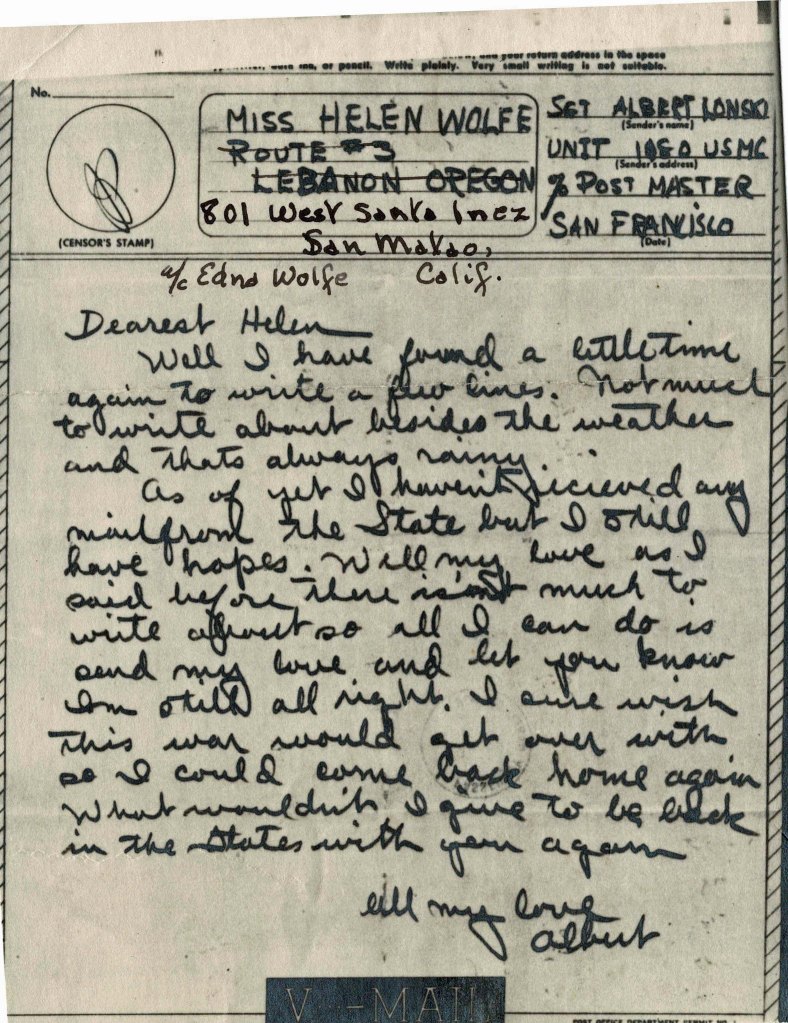
    Albert first sent this to Lebanon. Helen was in California with her mother, Edna Wolfe.

    The favorite letter Helen got form Albert reads.

    Dearest Helen, 
    Again, I find a few minutes to write you a few lines of my troubles. For the last couple of days it has been raining so much that we almost have to swim to and from our tents. The water is about 6 inches deep around our tent now and it is still raining. Oh, what I would do for a little bit of that California sunshine and a little bit of that moonlight with you. It's been 5 months since we left San Diego that November day and I haven't been with you, my love since that June day in Brawley, remember? I wish they would hurry up and finish this damn war so I could go back home to peace and quiet with you again.
    By the way, I still think of you all the time and miss you very much.
    This is a tropical hell hole without you; if you were here, it would be a paradise, my love.
    I love you,
    Albert

    Helen Goes to the European Front

    One reason Helen enlisted in the military was she hoping to be stationed close to Albert. She received basic training at Camp White in Oregon. She started here on January 13, 1944. On January 10, 1944, she became an army nurse and 2nd lieutenant. She saw duty in France, Le Mans and Charters. She arrived somewhere in England aboard the hospital ship, named Charles A Stafford in September of 1944.

    The journey from England to Normandy was difficult.

    The Tent Hospital

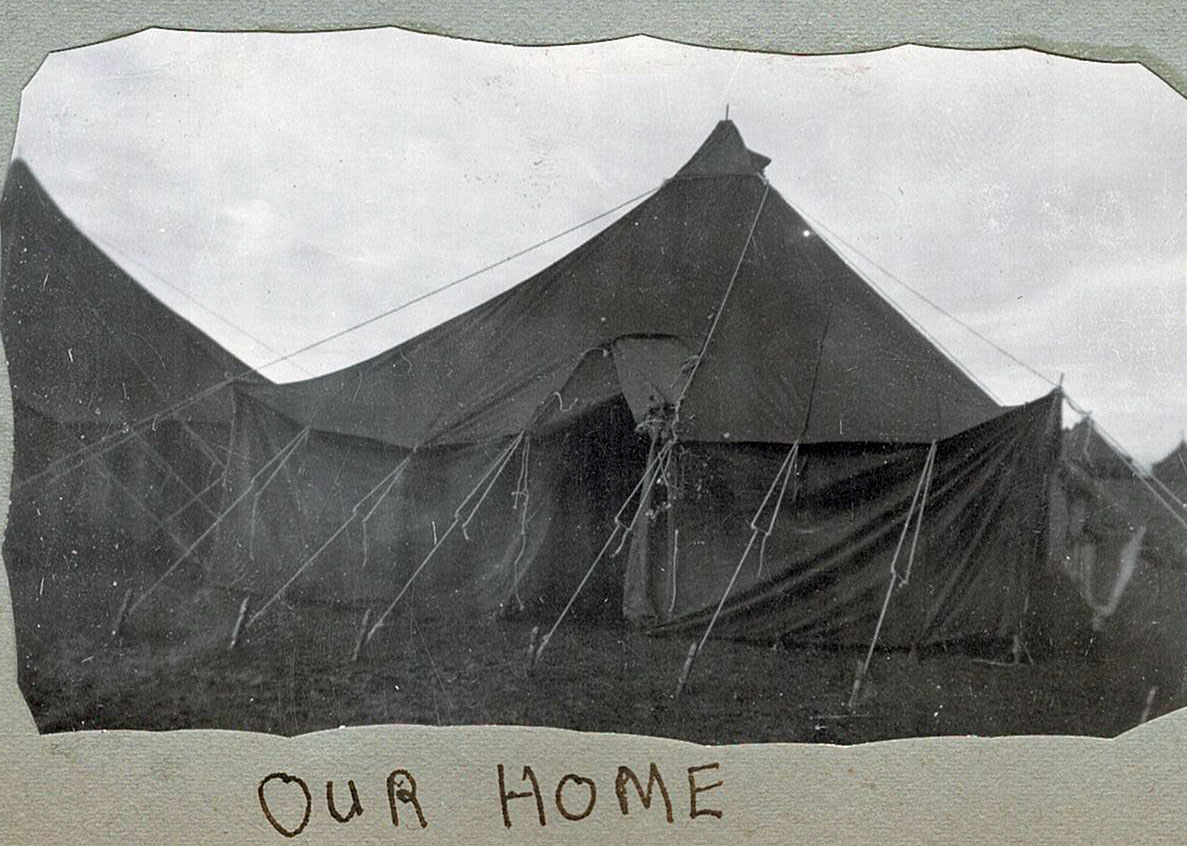
    This 1,000-bed tented hospital functioned as an Allied Military hospital. It operated between November 21, 1944, and April 5, 1945. After the April date Allied patients were transferred to other hospitals. The first few months at 170th General Hospital located near Le Mans, Normandy, France were cold, wet and uncomfortable. Helen arrived with the 83 nurses assigned to this hospital on November 13, 1944.

    Here is a description of early camp conditions from the WW2 US Medical Research Centre- Unit Histories- 170th General Hospital. The quoted information is from the Improvisation, procedures, equipment, manpower section.

    170th General- Le Mans, France

    Improvisations had to be made for the lack of certain equipment. Lamps were manufactured out of bottles filled with kerosene. Much borrowing from neighboring units had to be done to keep life from being miserable. The TAT (To-Accompany-Troops) equipment was hauled to the hospital site from the railway station.

    On 21 November, 404 patients were admitted, and there were still no ambulances for disposition and evacuation, the water supply was not yet declared potable, and electric lights were not yet installed. The coal allotment for December had been hauled in, and tents, stoves, and beds set up.

    Soon after the Hospital opened, a PW (Prisoner of War) enclosure was built, and before Christmas 250 German PWs and 28 French civilians were working in the Hospital Plant. It would not have been possible to efficiently run a hospital of this size with such a low T/O of personnel(T/O is short for Table of Organization and referred to a specified number of personnel). Forty (40) EM Enlisted Men) were tasked with guard duty alone. The 170th General Hospital had been operating under canvas since it opened on 21 November 1944, with the help of borrowed tentage.
    Unfortunately, only 8 wards had been winterized, and it took another three weeks before winterization of all the wards was completed. Stoves and fuel were now available, but there was no electricity. The unit managed to borrow one 30 KW (kilowatt) generator from the 19th General Hospitaland, after about two weeks, Engineers installed two of their own generators. No canvas repair kits were available, and as of 31 December, it was impossible to repair leaking tents. Lumber was missing, GC (Geneva Convention) Red Cross markers were nowhere to find, red and white paint was not made available. Circulating pumps could not be obtained, and therefore only one shower unit could be installed for the patients.

    The hospital staff had no accessible bathing facilities for three- and one-half months. The water was obtained from a 200-foot well on the grounds, and a concrete underground water tank of 15,000-gallon capacity served as the main storage tank. Individual washing was done by everyone, and there was no dry cleaning in the neighborhood. Everyone slept in his clothes, as it was too cold to undress without fires.

     Nurses had to keep wearing their class A uniforms, and had no sweaters, no leggings, no overshoes, other people missed overcoats, raincoats, and had no extra clothing. Luckily some extra combat clothing had been obtained on 7 November. Messing was improved after receiving ranges, but keeping food warm remained a problem, and the lack of certain items such as salt and pepper shakers and coffee cups caused problems when serving bed patients. There was a shortage of stovepipes, and there were insufficient personnel to operate everything, so, 60 PWs were employed in the three messes to help serve 1,500 to 1,600 people three meals a day. There was no concrete slab on the floors, no drainage gutters were provided, and dish washing facilities were totally inadequate …

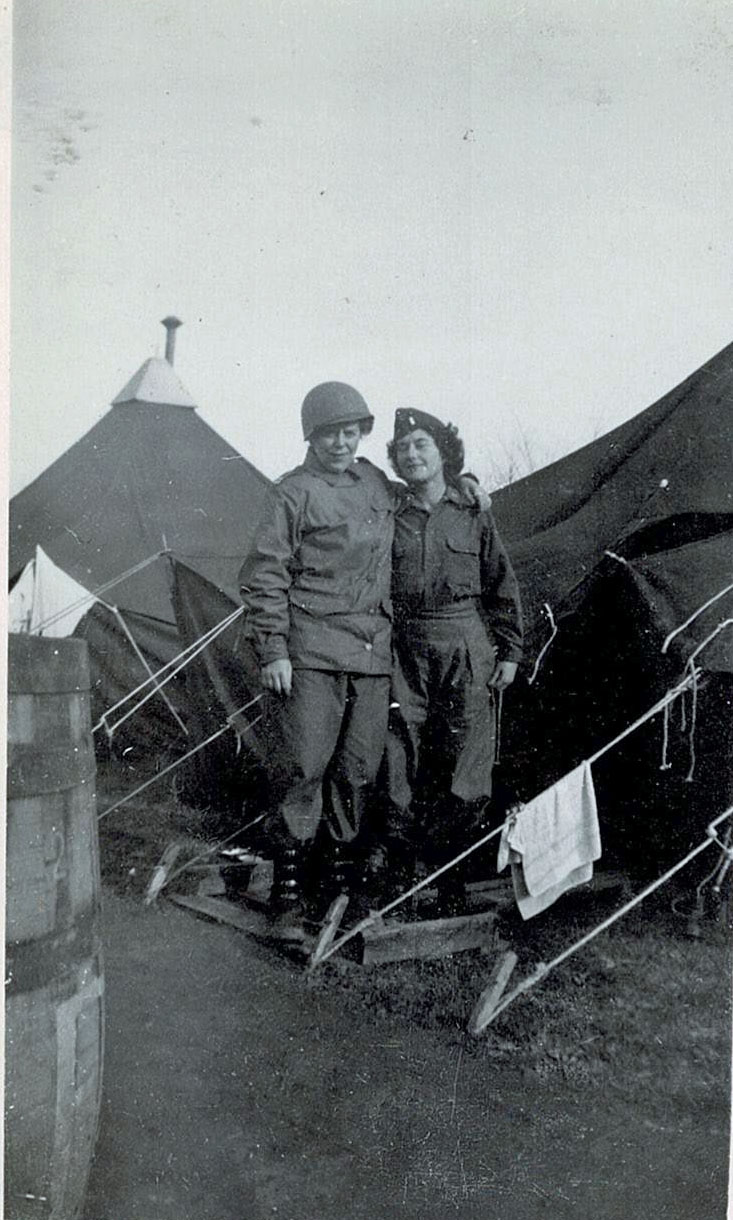
    Around this time Helen and her tent mates had a run in with General George Patton. This is what Helen said about this meeting.

    A Chance Meeting With General George Patton 
    Into our tent stamped a big bluff man with general bars on his shoulders. He was yelling, “what is all that female underwear doing in my command, 3 miles from the front.” We (the army nurses) had saved rainwater in our helmets and some drinking water with which we washed our panties and brassieres in our helmets. Then we hung them with large safety pins from the outside tent ropes. These items were dancing in the breeze. They were all different colors, and I thought they looked interesting, but not military. It did show women lived here and women determined to keep clean.
    He hooked a thumb at me. “Where is she going all dressed up?”
    We did have our good uniforms in our bed rolls. I had been invited for a dinner and a shower at the navy outfit camped on the still mined Utah beach.
    He yelled, “Get a fence up with clothes lines and hide that female underwear. I don’t like the Navy washing our Army girls.”
    I went to a shower and good dinner at the Navy camp. He stomped away yelling, “Female underwear 3 miles from the front.” But in a soft low voice I heard, “They are certainly pretty.”
    We had good showers the next day.
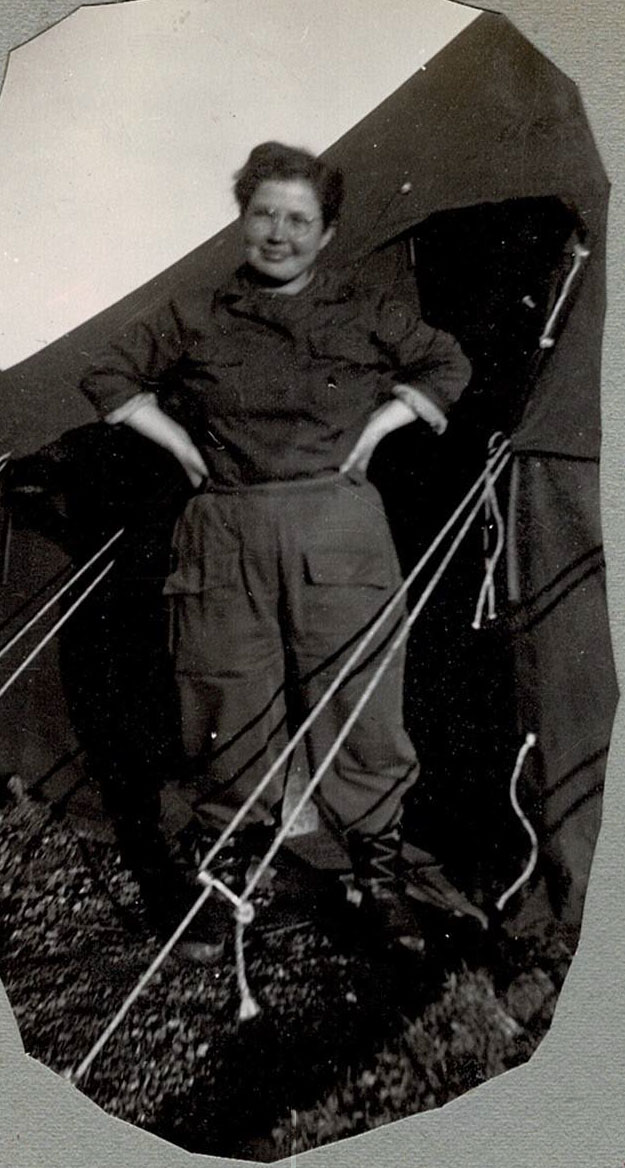
    By the end of November living conditions were better. Helen sent this letter to her Aunt Sigrid telling her about camp life. This was a little before they cared for many patients.

    4 Nov 1944
    Dear Aunt Sigrid & Maudie,
    We’re still in our cow pasture. We’re quite comfortable now. All in getting used to it, I guess. I don’t wear all that extra clothing I did at first.
    Hope you’re not working too hard. I ‘m, not yet.
    I’m staying home tonight trying to write some letters.
    There seem to be always some plan to go out such as it is. We ate steaks the other night. We’re getting stubborn and won’t go out unless they feed us.
    I’m trying to write and talk at the same time.
    We don’t do anything but a little drilling now and then. We have our bed rolls now and are warm enough. We’re sort of acclimated now too, so I don’t wear so many clothes around. In fact, I go to bed wearing only one pair of flannel pajamas.
    Would you send me some calcium tablets. We don’t get milk, and my nails are getting brittle, we get good food now though.
    Love, Helen

    The End of the War

    V-E Day, May 7, 1945, saw the end of the war in Europe. Helen wrote a poem.

    No War Now

    Listen to the silence.
    Hear the quiet.
    Feel the mystic moon sighing.
    Now, there is no crying
    Tonight. The World is at peace.

    on January 1, 1946 Helen traveled to camp Philip Morris. This was a large Army staging camp near the port of Le Havre, France. From here she returned to Presidio of San Francisco near San Mateo in the United States.

    Helen and Albert

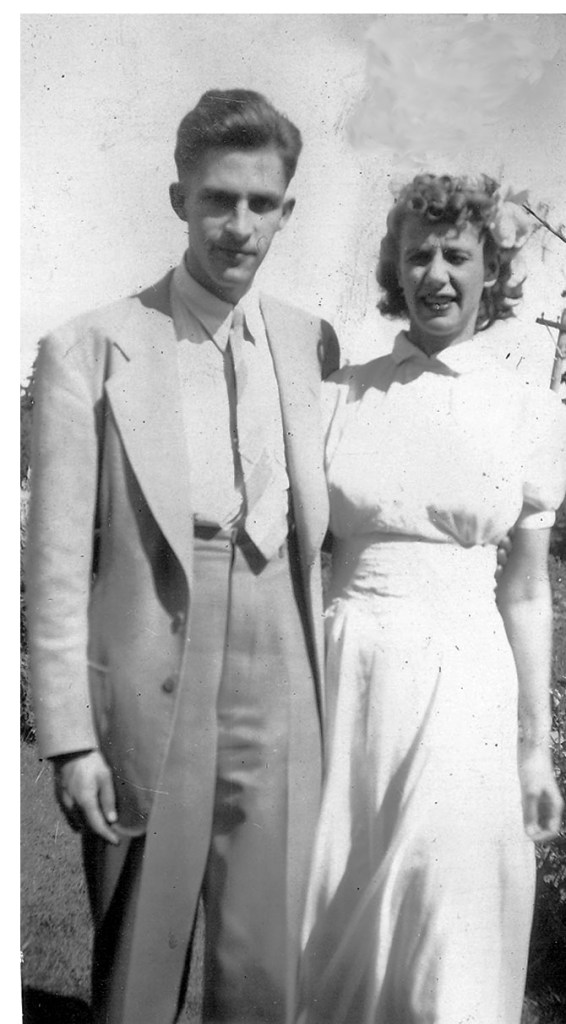
    Albert was already out of the service. He had separated from the United States Marine Corp in September of 1945. He attended engineering classes at the University of Washington in Seattle. In February of 1946, he visited Helen in San Mateo. They married on February 26, 1946, in Burlingame. Here is Helen’s wedding photo.
    Helen wrote two poems about love.

    Pulse of Independence

    Two hearts ought not to beat as one.
    For if one stops,
    The other stops too.
    They should beat alone
    So, when lying close
    They do not sing a single note,
    But together they play a melody.

    Circles
    Love is not pie
    To be divided
    And slices given
    To friends and relatives.
    My love for you
    Is a full 360 degrees
    That encircles you,
    Front back and sideways.
    You cannot turn away from it.
    And if I choose
    To love a few hundred other people,
    It takes nothing away from you.
    For my love is expandable.

    Helen’s mother and aunts in Lebanon, Oregon honored the new couple with a reception in the spring of 1946. Helen wore the dress a German prisoner of war had sewn for her in France. This tailor fashioned the dress from a white silk parachute.
    Old Marrieds

    Here is a photo of Helen and Albert taken in 1980. Their last abode was at 33063 Berlin Road, Lebanon, Oregon.
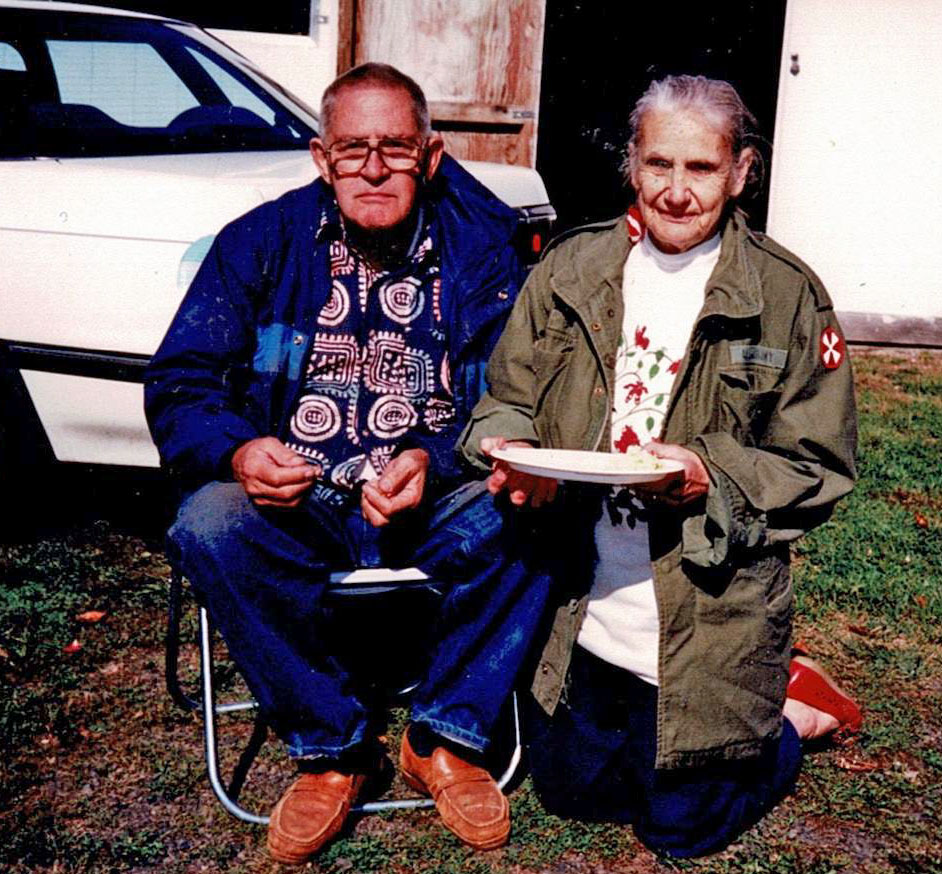
    I wrote a poem about them at this time in their lives.

    Old Marrieds

    By Jill Foster

    The old man builds with rock, wood and colored glass
    Drawing his projects before.

    The old woman plants her gardens
    With trillium, dog tooth violets and abandon,
    Sowing her seeds freely.

    Th old man gives great, lavish gifts
    Planning months ahead.

    The old woman sprinkles presents about
    Buying books for any child she knows.
    Giving tidbits of home cooked treats to stray pets and people
    And kind words all around.

    The old man loves with his hands and eyes,
    Touching and looking his feelings
    Saving his words.

    The old woman gives volumes,
    Poems, postcards, letters,
    Using words to create gentle bonds
    And insightful meanings.

    These two bound together by choice
    Apart in their ways, stand together
    Making their world
    A little better.
  • Institutions

    Hunting for Mary Lucina Taylor

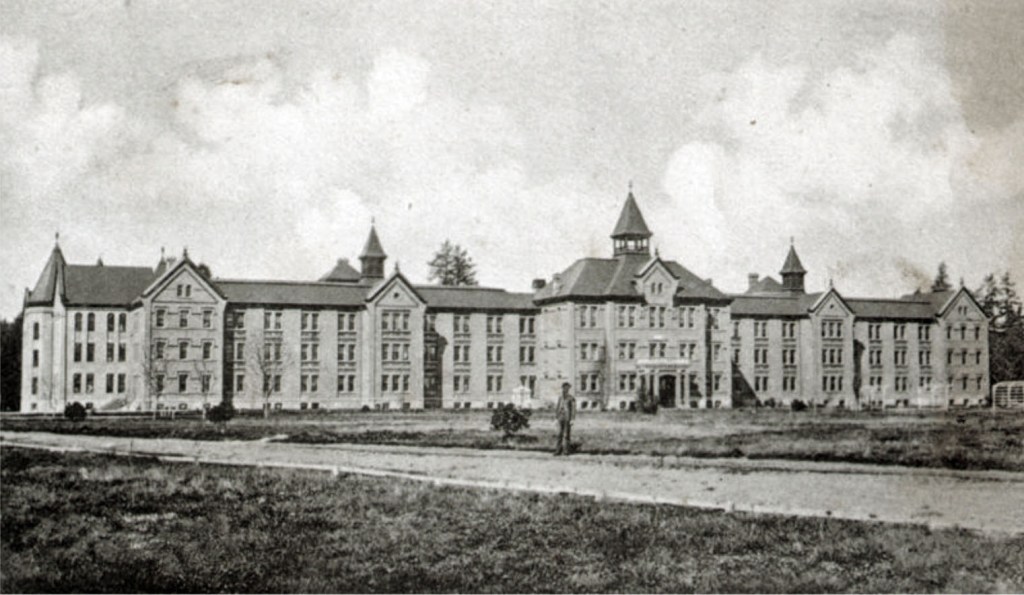
    Western Washington Hospital at Steilacoom, Main Hospital Building, 1892

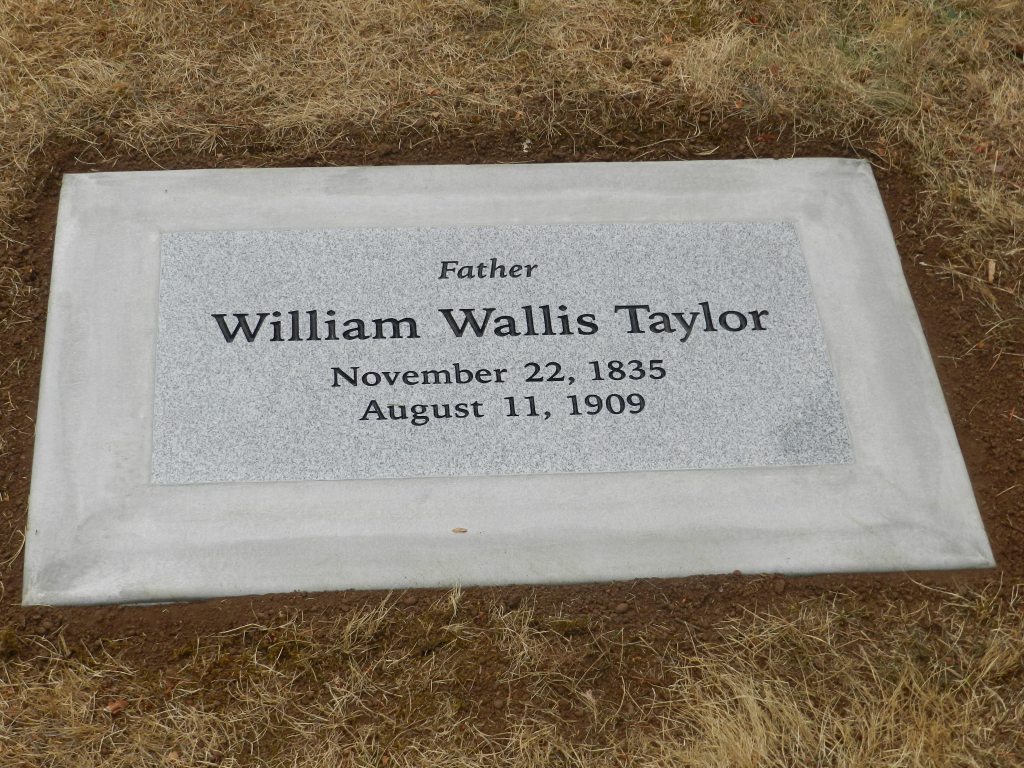
    Why do these stories sometime take on a life of their own? This story was to be about an institution and an institution is involved. Death of a loved one is a somber time for families, marked with family gatherings, funerals, burials and graves markers. This story involves two stone grave markers both made long after the deceased had died. One marker made for William Wallis Taylor was set in 2015. The marker for Mary Lucinda Taylor Miller was completed in 2006.

    I wrote this story about my husband’s 2nd great grandparents and their daughter, Mary Lucina. I searched for years for Mary’s death date and burial place. The institution involved in Mary’s last years was Western State Hospital at Steilacoom. This hospital is located between Olympia and Tacoma, Washington. I had been looking for Mary about 15 years before I found a death date.

    William Wallis Taylor’s Marker

    Craig, my husband and I became acquainted with one of his cousins. This cousin also traced back to Craig’s 2nd great grandparents, Mary Ann Sayles and William Wallis Taylor. We met and traded records. I had found Mary Ann’s grave site in Springwater Cemetery in Clackamas County, Oregon. The cousin’s family held the bible of William. The dates and places in both our records matched.

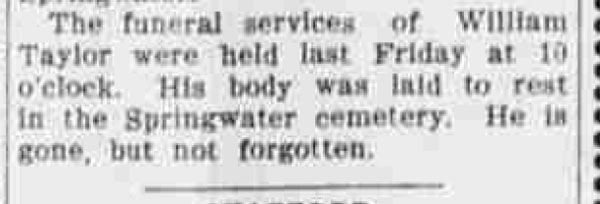
    Both the cousin and I had found an obituary of William’s saying he had died at the home of his son near Aurora, Oregon on August 11, 1909. William was buried in Springwater Cemetery where his wife Mary was buried. Here are copies of William’s obituary and funeral notice from the Oregon City Enterprise, dated 20 August 1909.

    William Wallis Taylor Obituary
    Page 2

    We were sorely disappointed when we visited Springwater Cemetery and didn’t find William’s burial next to Mary Ann’s grave marker. We searched the entire small cemetery. Craig’s cousin convinced the combination groundskeeper and cemetery record keeper that William Taylor was buried there next to his wife. We had a new marker made. It was placed to the left of Mary Ann’s grave site.

    Here is a photo of this new marker.

    Mary Lucina Taylor Miller

    Before this event, I knew quite something about William and Mary Ann’s first child, Mary Lucina Taylor Miller. Mary was my husband’s great grandmother. I had become acquainted with the cousin’s grandmother, Madeline Taylor Wells. She was the granddaughter of William and Mary Ann Taylor and had family photos of her Aunt Mary Lucina.

    Mary Lucina and Siblings about 1865

    Mary Lucina seated in the middle

    Born in LaPorte County on 7 Aug 1857

    Orril Adell on the left

    Born in Will County, Minn. on 18 Sep 1862

    Otha Beardslee on right

    Born Will County, Minn. on 6 Sep 1864

    Mary Lucina Taylor and Edward Arthur Miller

    Wed in Multnomah County, Oregon on 28 Oct 1885

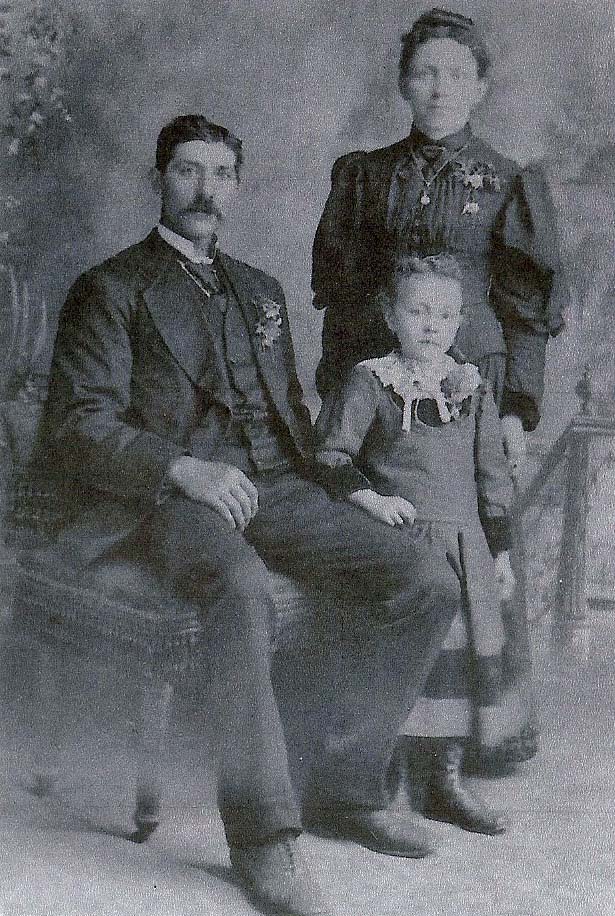
    Taylor Family about 1896 in Springwater, Oregon

    Edward Miller on left

    Mary Lucina Miller in back

    Daughter, Edna Naomi Miller

    Born in Dodge, Clackamas, Oregon on 24 Aug 1889

    They homesteaded a farm in the Dodge Springwater area

    Move to Portland, Oregon

    By 1910 the Miller family had sold their farm in Dodge, Oregon. They now lived in Ward 8 of Portland, Oregon. According to census records, Mary and Edward had been married 25 years. Edna Miller, their twenty-year-old daughter, lived with them and their house was on East 35th Street.

    In 1912, Edward A Miller and his daughter Edna N Miller still lived at at 192 E 35th Street. This information comes from to the 1912 City Directory of Portland, Oregon, Mary is not listed on this record.

    I found Mary in the 1915 City Directory of Portland, Oregon. She is listed as Mary L Miller, widow of Edward and living at 4927 66th SE. Twenty-four years later she still identified herself as a widow of a man named Miller. On her death certificate it is noted that the first name of her deceased husband is not known.

    Edward Living St Joseph, Michigan

    Edward filed for divorce on 1 December 1917 at the courthouse in St. Joseph, Michigan. The grounds were desertion. Edward was the complainant.  His divorce was granted on 22 July 1918. He married Bessie Gadson on 18 August 1918.

    Daughter Edna Married

    Before Mary entered Western State Hospital in 1929, her daughter, Edna had lost her first husband and married a second, Charles Foster. She brought to this second marriage a small boy, Howard Shelton, son of her first husband. She and Charlie had 3 children. Charlie informally adopted Howard. Howard was a teenager when his grandmother, Mary, lived at Western State Hospital. He visited Mary there and remembered these visits being sad.


    The Institution on the Cowlitz River

    Many years before in 1854, the “Poor Law” was passed by Washington Territory. Its aim was to find a better way to care for and house for the poor, disabled and mentally ill. It shifted the support of these individuals from their families to the counties where they lived. At first patients were cared for through a contract system.

    Twenty-one such person went first to a place in Monticello (now Longview, Washington). It was located along the Cowlitz River in Cowlitz County.

    This institution was set up by a pair of businessmen from Monticello. They knew how to make money, but not how to care for “this class of sufferers”. James Huntington and his son-in-law, W.W. Hays built and ran this place. They received a dollar a day for each patient under their care.

    A big problem for this enterprise was the location. Here is a quote from Starlyn Stout’s Care For the “Unfriended Insane in Washington Territory (1854 to 1889)”.

    The buildings of the asylum were revealed by the elements to be merely temporary. In his history of the region, Hubert Howe Bancroft surmised that accommodation opposite Monticello on the Cowlitz River were inadequate. So much so that an event of melting snow from Mt. Rainier brought on an “unusual flood” in December 1867, in which the improvements were swept away. Huntington’s hastily built buildings were now needing to be hastily salvaged and rebuilt to maintain his part of the contract. They published a letter addressing community concerns about their facility, claiming that they too were victims of the territory not fulfilling its part of the agreement. “The Territory must meet the expenses as per contract…  We only ask that our money be paid when due”.

    Dorothy Dix

    A 19th century social reformer, Elizabeth Meriwether Gilmer, who was better known by her pen name, Dorothy Dix, had friends inspect this place in 1869. She wrote:

    Just as I was prepared to leave for California, I first learned from some military officers and reliable civilians your territory was responsible for a rightly intended provision for certain unfriended insane men and women … It being impossible to visit the place referred to myself, I earnestly requested an experienced medical man and a carefully judging citizen of Oregon to see if the statements … were borne by facts, as they understood right care for this helpless, irresponsible class of sufferers. (“Miss Dix on the Insane”).

    It was found that some patients were doing all the cleaning, laundry and cooking. Other patients were confined to their cells. Filthiness was found throughout the faculty.

    Dorothy wrote about this. When Dorothy mentions the Doctor and Inspectors, she is talking about Washington county people who were responsible for the asylum.

    The patients sleep in bunks, in cells, in a coarsely finished, unplastered building, parts of which are described to me as very little better than a barn … the visitors added that, judging from any efficient and proper standard, they could not consider the institution otherwise than inadequately provided both for care and cure of the insane … badly maintained by parties in charge, who possibly may know no better … The Doctor and inspectors are parties interested in perpetuating the present system; the ‘one by his salary easily earned, the others by trade’” (“Insane Asylum”).

    More Letters from Dorothy Dix

    She also wrote to two authorities in Washington Territory—Governor Alan Flanders and former Governor Elwood Evans. Changes were made.  After relating her assessment of the situation, she said this. “At this distance I can only write to you, sir, knowing your sense of pity for these poor creatures will induce early and, I hope personal attention.

      Changes Were Made

      Fort Steilacoom, an old army base which had been built in 1849, was out of use and run down. On April 22, 1868, the staff lowered the last flag at this army fort. The fort located in the Puget Sound region near Tacoma, Washington would be the new home for 21 Monticello patients. The new inmates who had lived with the conditions at Monticello bought their stories with them. Even to this day their tales of poor treatment and the demons that haunted them abound.

      In 1887, the Washington Territory legislature approved $100,000 to build a new institution on the Fort’s grounds. In 1888 this institution became known as Western State Hospital for the Insane. In 1915 the institution’s name was changed again- this time to Western State Hospital.

      My Search for Mary’s Death and Grave

      Before Craig and I knew that his great grandmother, Mary Lucina Taylor Miller, had spent her last years in a mental institution, we were puzzled by the lack of results in the hunt for her death date. Because she was a direct ancestor to my husband this lack was an ongoing source of frustration. I had looked in both Washington and Oregon death indexes many times before I found her in the Washington death index. I ordered her death record from the Washington State Department of Health. I did the paperwork showing my husband, who was requesting the record, was her oldest living direct relative. Since Mary had died in 1939 this record was about 75 years old when I finally got it.

      Mary had lived at Western State Hospital for almost ten years when she died on March 9,1939. She died of a heart and lung condition. Senile psychosis was said to be a contributory cause. She was cremated on March 14, 1939.

      Also, from the death certificate, we learned Mary had entered Western State Hospital on August 27, 1929. She died on March 9, 1939, and was cremated there on March 14, 1939.  Her hometown was Washougal, Washington.

      Disturbing Article in Spokane Newspaper

      The Title, Bill Could Help Families Find Ancestors’ Graves, hints that there was something in the Washington State laws preventing family from locating relatives who died in Washington State’s mental institutions. A Washington State statute designed to protect the mentally ill from shame restricted anyone from getting their relative’s death certificates. This statute prevented a volunteer organization called Grave Concerns from identifying who was buried and where they were buried in the institution’s cemetery. The state had decided these patients were people to be ashamed of and hid their records. Here is a quote from the article.

        At Western State Hospital, a facility worker once found a shed full of human remains packed into tobacco tins and canning jars. And at Northern State Hospital in Sedro Woolley. Wash., now closed part of the cemetery was plowed under and farmed.

        Cremated remains were often buried together in mass graves, said Laural Lemke, Western’s ombudsman and chair of The Grave Concerns Association, a volunteer group that repairs grave sites. After the 1950s, many unnamed remains were sent to crematoriums.

        Making the job of restoring dignity to Western State Hospital’s cemetery was the fact that “many of the state’s records of the dead are incomplete or missing even when records are located…the cemeteries which volunteers have only recently began to recover are often overgrown and in disrepair.

        Our Visit to Western State Hospital

        Craig and I met Laurel Lemke, a woman greatly involved with the Grave Concerns Association, on March 10, 2015. She described life at the hospital when Mary lived there.

        Mary slept in a narrow bed in a narrow room with few personal belongings and a barred door.

        Because Western State Hospital grew its own food and kept livestock, Mary had plenty to eat. At this time the Great Depression was causing misery throughout the land. Patients worked on the farm. Mary may have worked preparing food or sewing. Physical labor was considered therapeutic.

        From 1911 to 1961 hydrotherapy was used to sedate patients. Bath treatments of 2 hours included hot and cold water sprayed up and down a patient’s spine.

        Washington State Hospital’s Cemetery

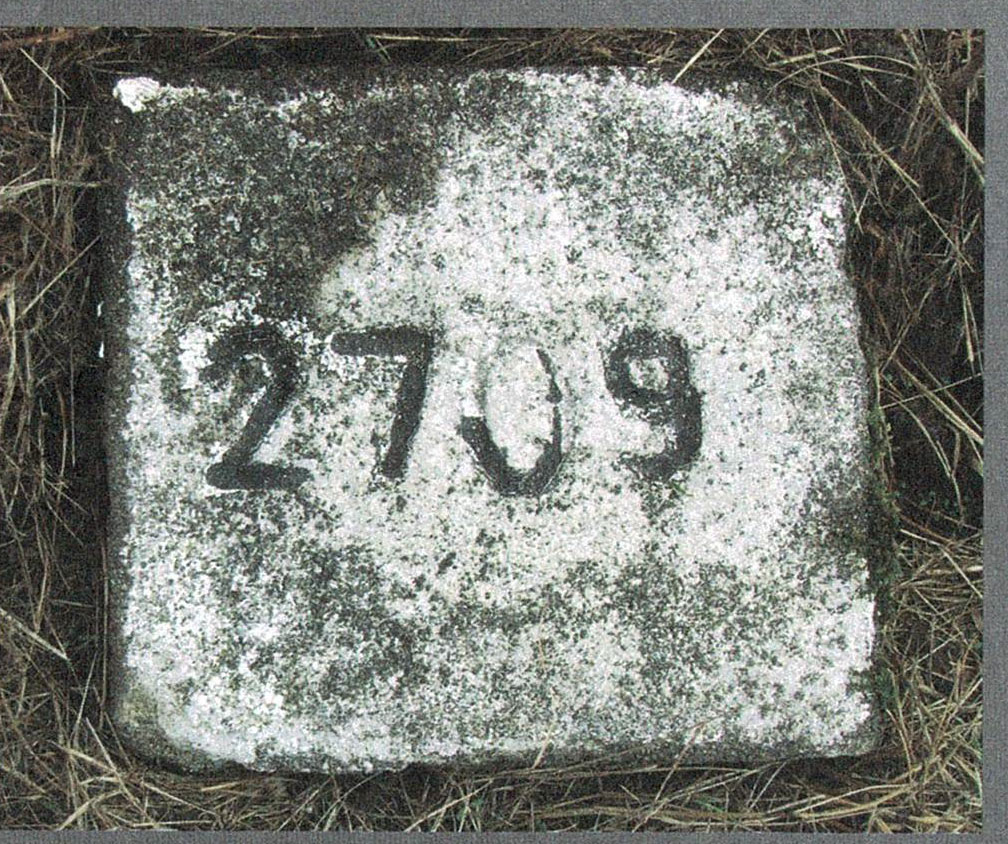
        Before we left, Laurel showed us the cemetery. Volunteers for Grave Concerns had been restoring and upgrading the grave sites for about ten years. It was no longer tangled in blackberries with graves only marked with numbers etched on small concrete squares. The Grave Concern Association had found names to go with the numbers. As they raised money, they replaced the old unreadable number blocks with granite grave markers. These markers showed the patients name, the birth date and death date. Here is an example.

        anonymous marker and John Ryan- dignity restored

        We were hoping to find Mary’ grave marked like the marker on the right. We had set a granite grave stone for her father, William Willis Taylor buried in Springwater Cemetery.

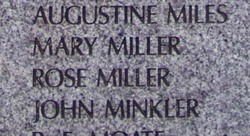
        This was not to be. It is sad to say Mary’s remains were among the unidentified. Perhaps, her unidentified remains were in a canning jar or tobacco tin found stored in the garden shed. Her remains were buried in the mass grave with a large granite marker. Her name and dates were there. We laughed and cried that day. Here are some photos.

        Craig and Jill Foster Viewing Giant Grave Marker
        Mary Miller’s Name on Giant Grave Marker
      • A little Joy

        Week 17 DNA

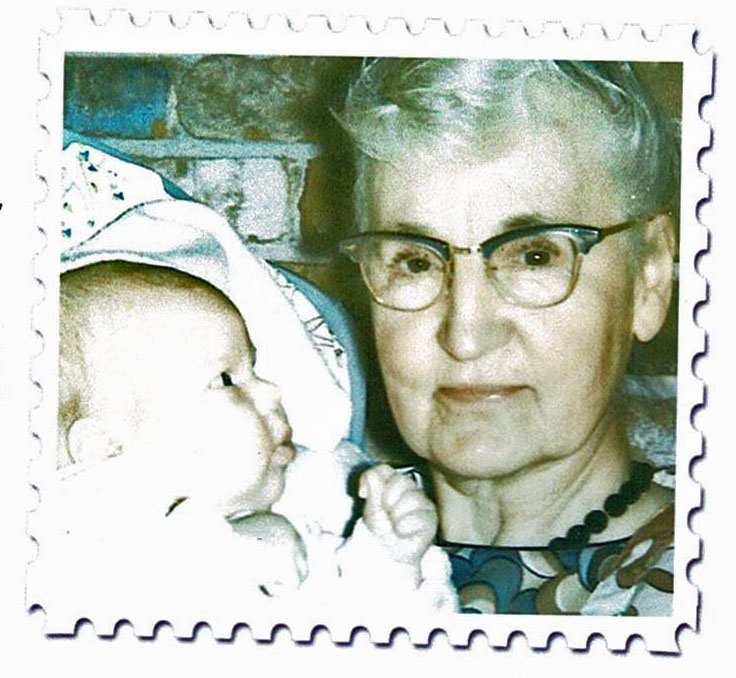
        Frances Cabell Coursen Perritt and my baby daughter

        I felt connected to the mother of my husband. I felt more than just a liking for her as a person or loving her as an extension of my husband. Rose Foster resembled my husband, Craig, in many ways. Both were shy and brave, had dark good looks, loved and worked with numbers. Concise, efficient, self-controlled and kind-hearted described them. Even though Rose and I did not share DNA, I had a kinship with her.

        Both Rose and her sister, Elizabeth Coursen, carried mitochondrial DNA that their family traced back to Jeanette Keeler Ferguson. The mitochondrial DNA is inherited only from the mother. It is passed down from mother to daughter through the egg cell during fertilization. Rose and Betty (Elizabeth) were the daughters of Frances Cabell.  Frances was the daughter of Bessie Reynolds. Bessie was the daughter of Margaret Ferguson. Margaret was the daughter of Jeannette Keeler. Frances Cabell’s scrapbook held mementos and memories of all these women.  Here is a photo of Betty’s daughter, Betty, Rose, Frances and Bessie. Five carriers of Jeannette Keeler’s mitochondrial DNA and four generations are pictured here.

        Betty’s daughter, Betty, Rose, Frances, Bessie

        I happened to be pregnant with my first child when my husband and Rose’s oldest son, Craig Foster, was sent to serve a tour of duty on a small island. Shemya, Alaska, located 1,200 miles southwest of Anchorage, is 2 miles wide and 4 miles long. It is mostly runway. Some liken it to a prison without walls. More known as an Air Force base, army personnel also served there. Craig served in the Army Security Agency.

        Shemya is 280 miles from a Russia-owned island and is almost touching the International Date Line. Craig said from Shemya he saw tomorrow.

        Husband on Shemya, Me with Relatives

        Husband on Shemya, Me with Relatives

        When my husband was away and I was pregnant, I drove between my parent’s house in Seattle and my husband’s parents in Portland. My OB doctor had his practice in Portland. This was early in our marriage, and I hadn’t quite left the nest.

        I talked Rose into taking La Maze birthing classes with me and being my coach when I had the baby. We would pant and breathe together through the labor pains. She would be in the delivery room for birth.  Fifty years ago, having family in the delivery room was beginning to be in style. It was mostly for the fathers.

        Rose and I followed the plan. I presented our family with a beautiful baby girl. Rose and my father-in-law, Howard Foster, did not stop smiling. We called Craig in Shemya and talked. Then the crabby night nurse sent my family home. She was out of sorts for being told by my doctor that Rose was to be allowed in the delivery room. She was still muttering about that as she sent Rose and Howard home. The hospital did allow my daughter to be in my room in a bassinet by my bed.

        I loved the fact that these people were contributing DNA to Craig’s and my daughter.

        My Mitochondrial DNA

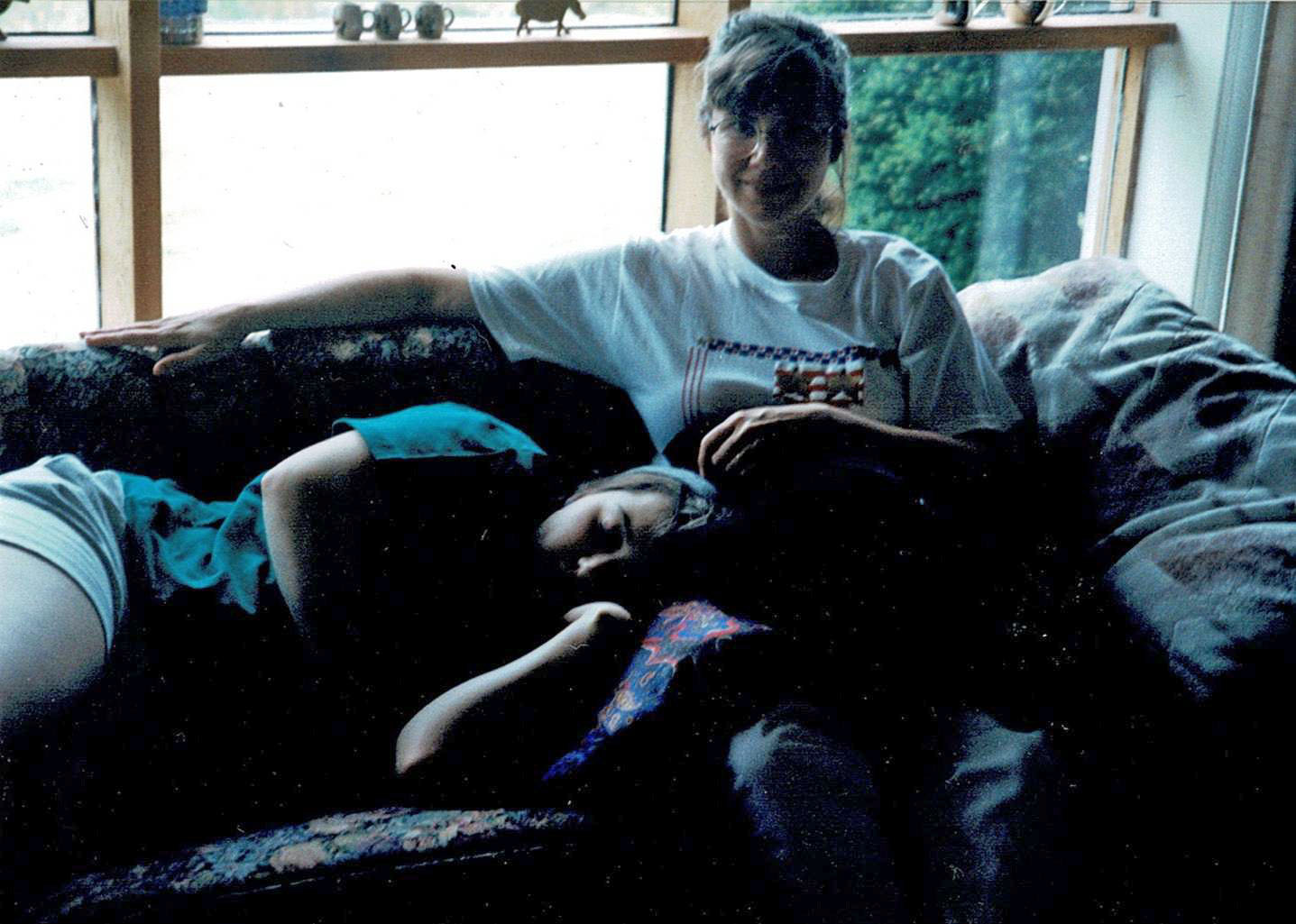
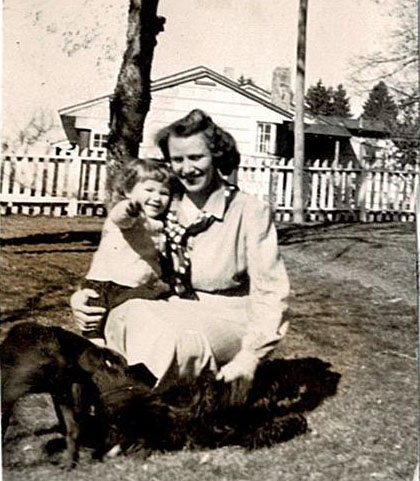
        I can confirm my mitochondrial DNA from my daughter back to my great great grandmother, Johanne Catherine Rasmusdatter. through cousins on ancestry.com. Here are some family photos. My daughter and I at on the top right. My mother, Helen Wolfe Lonski, and I are on the top left.

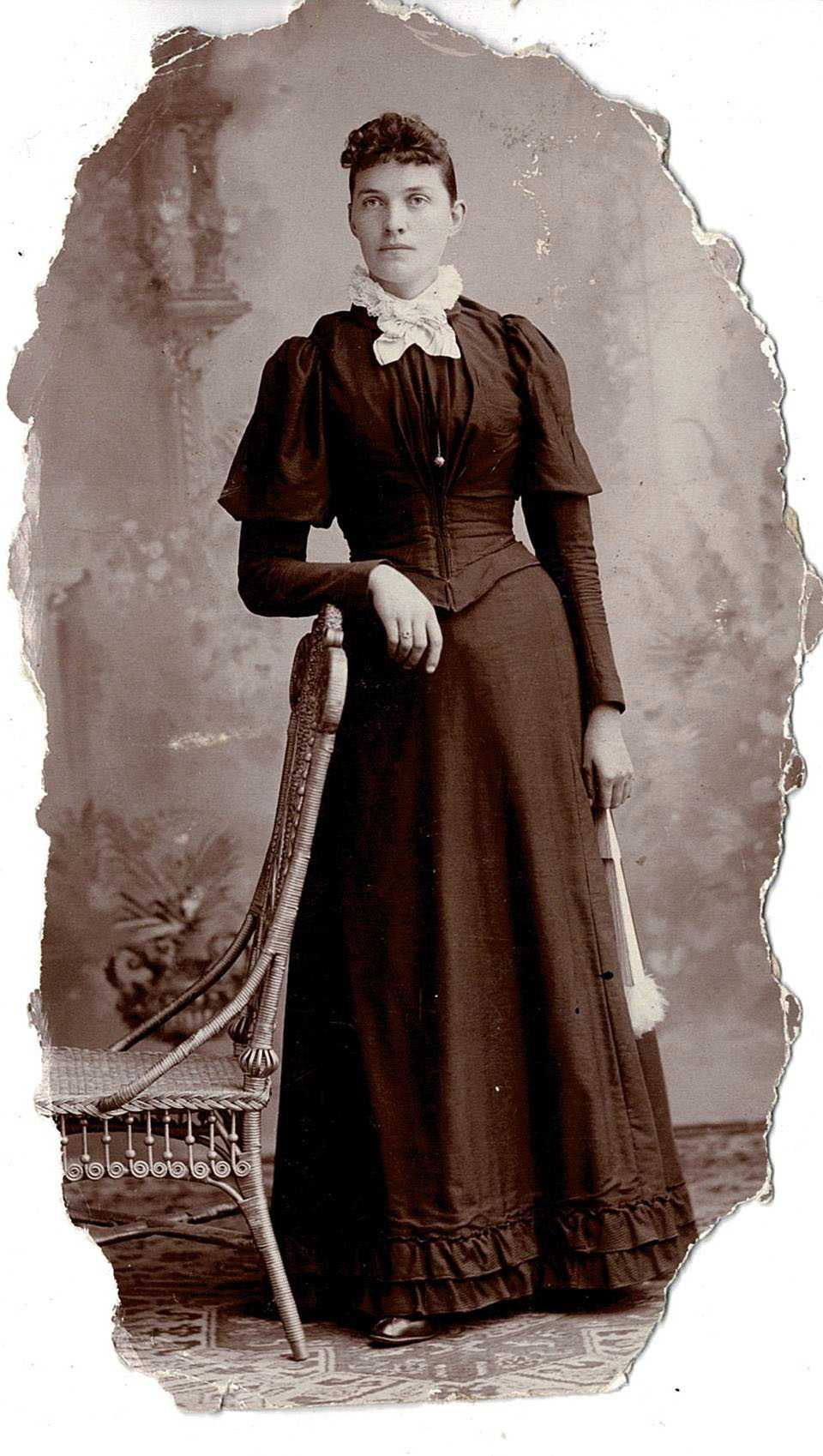
        My grandmother Edna (Dagny Oldsdatter) Wolfe and Helen show on the bottom left. Her mother, Elen Jacobsdatter, is on the bottom right. This last photo was taken in 1885 at Rövig in Hansel, Norway.

      • Big and Little Mistakes

        Week 15 Big Mistake


        Thinking about the mistakes I made in my genealogy research, I’ve made plenty. I don’t think this was my biggest mistake, but it is my most memorable one.

        When I retired from teaching in 2004, I started making a family tree on Ancestry.com. I remember the shaking leaf hint button announcing possible resources for my tree. Near the top of the profile I was working on a leaf image would show on the screen. This leaf would shake with gusto. I don’t think there was a ‘ding’ sound, but I was in the habit of leaving my speakers off.

        I was working on John Breckenridge Cabell’s family when I made my big mistake. I was on John’s profile and one of these brazen shaking leaf showed up. The hint in the family tree category involved looking at other people’s family trees. I went back in time looking for parents of parents. I started finding Cabells born in the 1500s and getting suspicious. Eventually, I reached a couple with just given names. To my surprise, this couple referred to as Adam and Eve seemed to be the biblical Adam and Eve. After this, I disabled the automatic family tree hints. I became more systematic. I purchased the Alexander Brown book, called The Cabells and Their Kin: A Memorial Volume of History, Biography, and Genealogy (1895). I found this book to be well researched. I also found clues about John’s parents in Grandma Perritt’s scrapbook.

        Louis Warrington Cabell and Anna Maria Perkins

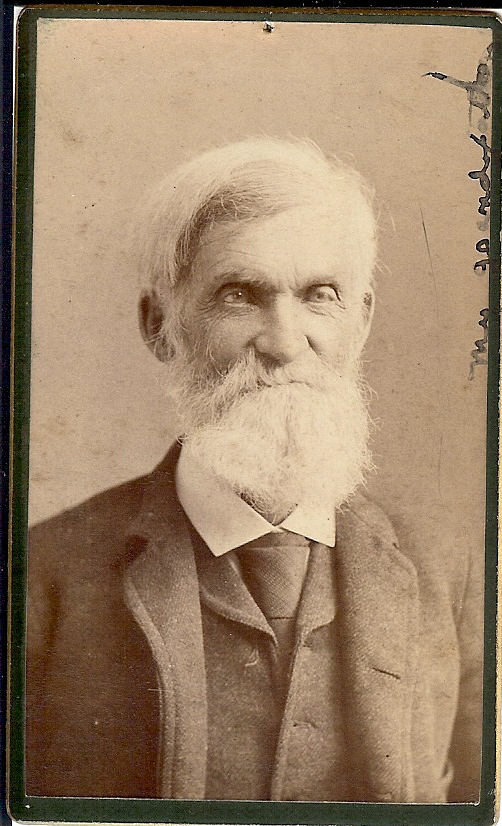
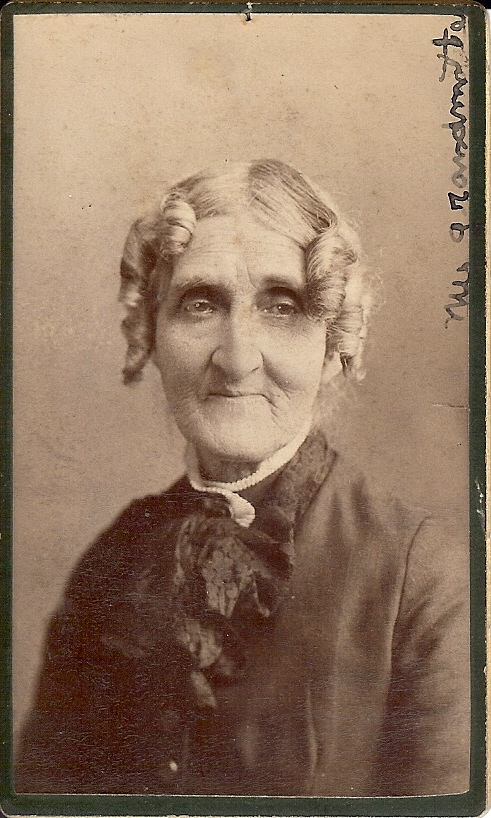
        Frances Perritt, John Cabell’s daughter, had left clues in her scrapbook about John’s family in Virginia. She left photographs of John’s mother and father which she labeled “my grandfather” and my “grandmother”. Here are the photos.

        Lewis Warrington Cabell
        Anna Maria Perkins

        The Cabell family of Virginia owned plantations spread along the banks of the James River. Some names were Elm Cottage, Green Hill, Struman, Buffalo Station, Clover Plains and Fernly.

        Lewis Cabell called two of these plantations home– Struman where he was born and Green Hill which he inherited. The Green Hill plantation was on the south side of the James River in Buckingham County. His birth home, Struman, was on the north side of the James River and in Nelson County.

        Lewis’s parents, Frederick and Alice Cabell, lived at Struman when their youngest child Lewis was born on June 12, 1814. Sadly, his mother, Alice died shortly after he was born.

        Lewis studied at the University of Virginia in 1837 to 1839. He graduated on July 16, 1839. He was recognized both in the school of Natural Philosophy and the school of Chemistry. In July of 1840, he received a degree from the school of mathematics.

        Frederick Cabell, Lewis’s Father

        Lewis’s father, Frederick Cabell, left a will probated 25 February 1841. Frederick had died 10 days earlier on February 15, 1841. He was buried at his estate called Struman. He left some of his holdings on the south side of the James River to Lewis.

        His will in part says:

        • I give to my son Lewis W. Cabell seven hundred and fifty acres of my Green Hill tract of land commencing at the stone quarry on James River …also ten Negroes and their future increase, as follow,
        • Reuban and Fanny, his wife, and his five children
        • Amy a negro woman
        • Peter and Cubby, his wife, and one child
        • Cassidy, a negro woman
        • Also, an equal portion of my personal Estate after all specific debts are paid.

        So, after his father died, Lewis became a southern planter. In pre-Civil War days, this meant he was wealthy, owned a plantation and used enslaved people to farm his land.

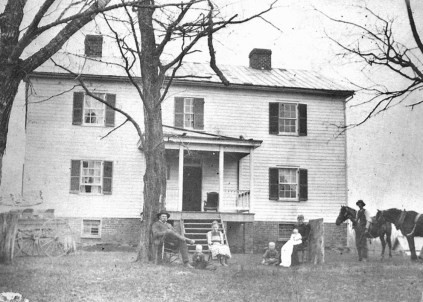
        There was a house on the Green Hill property. It looked liked these.

        1886 Green Hill (Madison Dixon Rebuild

        So, after his father died, Lewis became a southern planter. In the days before the Civil War days, planters were wealthy landowners who used enslaved people to farm their land. There was a house on the Green Hill property.

        Green Hill burned in 1878. This is a replica built by Madison Dixon. The photo is from the Cabell Society.

        Anna Maria Perkins and Marriage

        Anna Maria Perkins was born September 3, 1818, to George Perkins and Eliza of Cumberland County, Virginia.

        Anna’s father, George owned a summer home in Cumberland County, Virginia called Hickory Hill. There is a marriage bond record for Lewis W Cabell and Maria A. Perkins, dated June 28, 1841, and listing their planned event to be in Cumberland County. Anna Perkins and Lewis Cabell married on July 8, 1841, at Hickory Hill, Cumberland, Virginia.

        She and Lewis had these children.

        • George Perkins Cabell, born first, died as an infant.
        • Frederick Ernest Cabell, born 1844
        • George Perkins Cabell, born 1846; died 1850
        • Anna Maria Cabell, born 26 Jan 1848
        • John Breckenridge Cabell, born 1850
        • Lewis Winston Cabell, died as infant
        • Lewis Winston Cabell, born 1855
        • William Perkins Cabell, born about June 1857, died as an infant

        Only Frederick, Anna Maria, John and the second Lewis lived to adulthood.

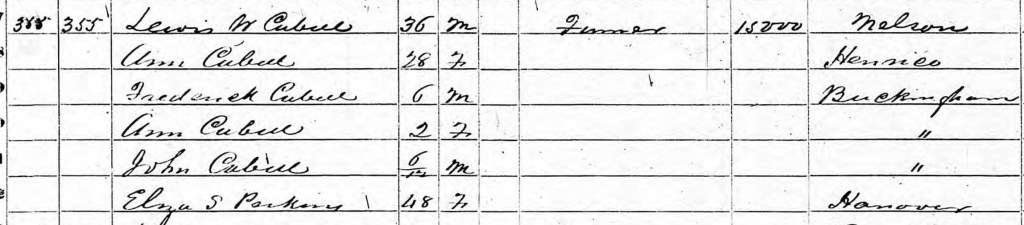
        The 1850 US census for Mayville, Buckingham, Virginia showed Lewis W Cabell as the head of family number 355. He was a 36 year old farmer with property valued at $15,000. His wife, Ann, was 28. Their children Frederick, Ann and John were 6, 2 and 6 months. Here is a snippet of this census record.

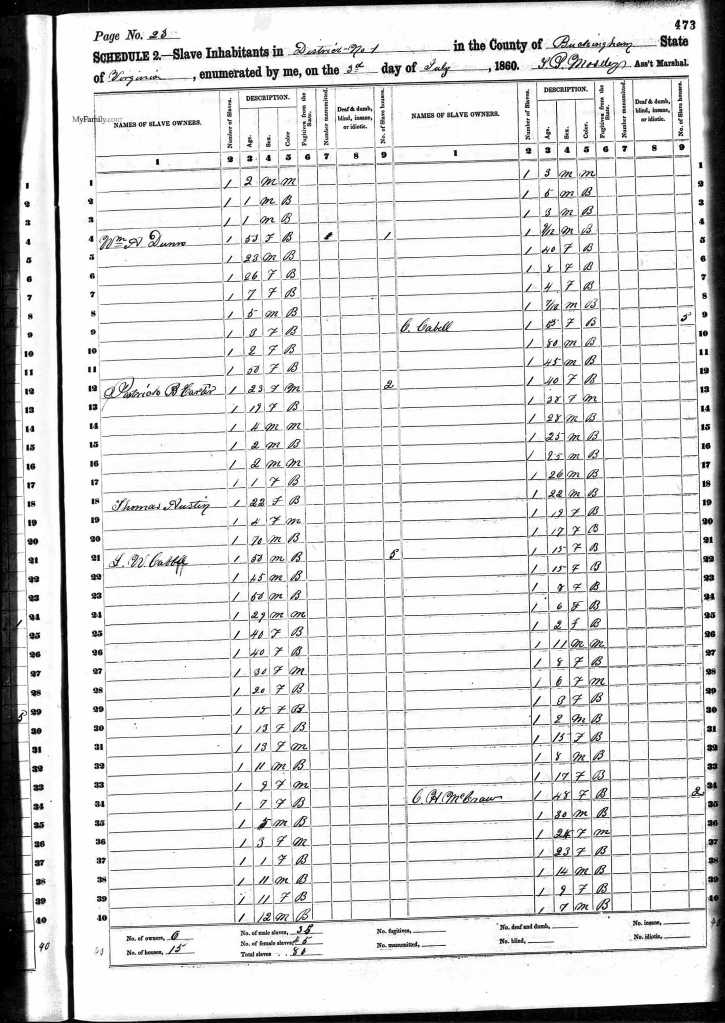
        Sadly, Lewis’s farm laborers were considered property. In this census record these enslaved people are shown only by sex and age.

        Buckingham County, Virginia slave schedule for 1850

        Here is the Buckingham County, Virginia slave schedule for 1860. Lewis’s people are listed in the left column from 21 to 40. In the right column they are from 1 to 8.

         New Interest

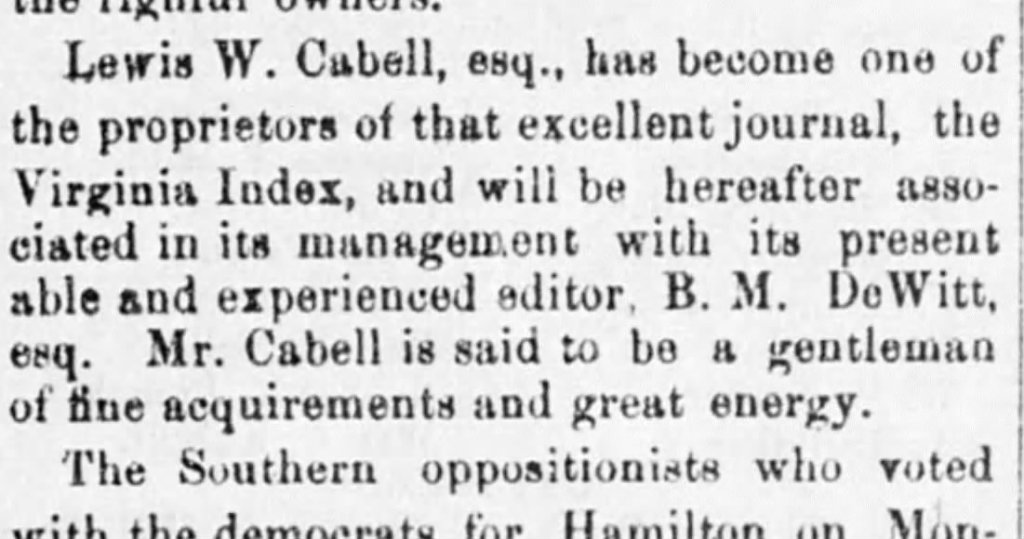
        In January 1860 he owned the Virginia Index a newspaper.  The Virginia Index was a semi-weekly journal published in Richmond, Virginia with B. M. DeWitt as the editor.

        The Civil War Years

        During the Civil War, the Green Hill house was used as a recovery place for wounded   soldiers.

        Then on January 30, 1878, Green Hill, the home of Lewis W. Cabell and his family, burned to the ground. The family escaped but all the contents of the house were burned. Here is a clipping from the Daily Dispatch. He sold the property not long after.

        Lewis died 6 Oct 1890 in Nelson, Virginia, United States. He was buried there.

        After Thoughts

        When the story becomes morally reprehensible is it a mistake not to tell it? When “his” story of “her” story is your own family’s story should it be shared? Does forgotten history repeat itself?

        Lewis Cabell kept Negro enslaved humans. A dozen of such humans were passed from his father to him by his father’s will. Even any children these people would have were willed to Lewis by this document. His enslaved population grew as shown by the 1850 and 1860 census schedules. This way of life even if all the other planters around are doing it is wrong. Lewis Cabell was blameworthy.

      • Brick Wall

        Week 11

        A figurative brick wall is a challenging obstacle or obstruction. A brick wall can also refer to a wall made from bricks. In my paternal grandfather’s case both definitions apply. He knew how to build brick walls, and his ancestors are mostly unknown to me.

        Thomas’s and Luise’s Brick House

        Thomas Steven Lonski, my grandfather, knew how to build brick walls. He built brick walls for two Seattle area houses. I lived in one of these houses with my family during my first eight years of school. The other brick walls were for his house on Lander Street. He, his wife, Luise, and his children, Ruth, Walter and my father, Albert, lived in this house for many years.

        The house Thomas built for his family had a partly daylight basement as it was built on a slope.

        A living area with a living room, dining room, kitchen, half bathroom and entry hall topped the basement level. Upstairs were 3 bedrooms and a full bathroom. a steep roof topped this home.

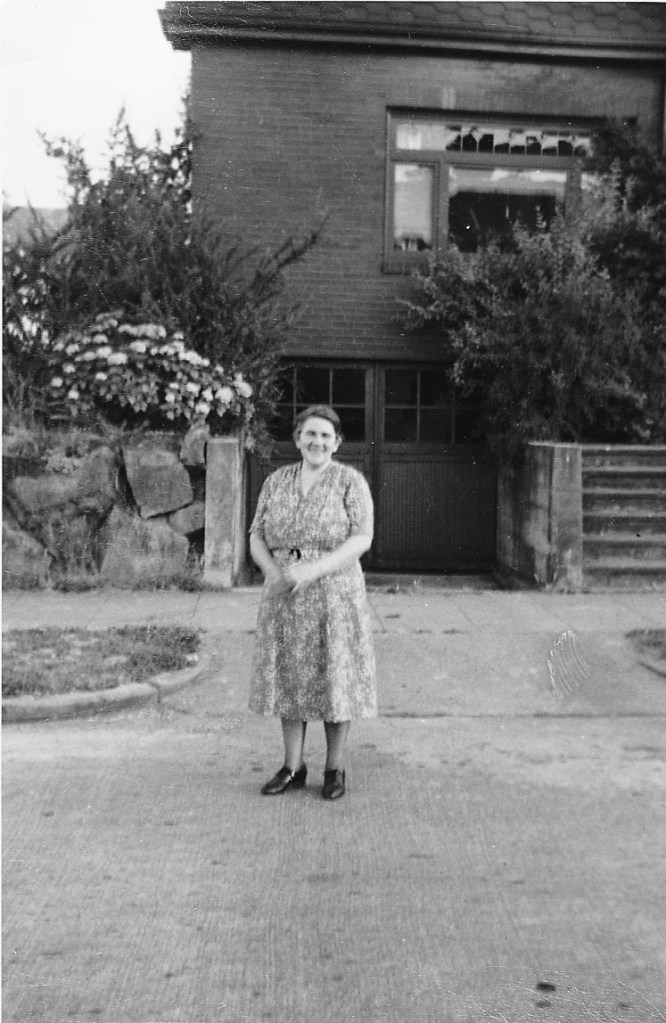
        Luise in front of the brick house Thomas built for them

        Albert’s Brick House

        The brick walls he built for my family held up a different sort of house, although this house also sat on a slope. We had a great view of Lake Washington from this house.

        Both Thomas and my father, Albert, worked on building this house. Thomas lay brick early in the day. Albert worked in the late afternoon and evening after his day job at Boeing Company.

        Sometimes the neighbor who lived directly behind this building project. Thomas told this man named Edward Kennedy that the finished product would be a two-story house with a peaked roof.

        One evening, while my father worked on our house, Edward came over asking about the thickness of floorboards, the height of the walls and the size of the attic. Edward looked and sounded decidedly grumpy. My father didn’t know why. Then my father explained that this house was to be a one-story building with a flat roof. Albert showed Edward the building plans, Edward smiled broadly; he knew his view would still be there.

        After this, the old man laying bricks at Albert Lonski’s house site became known as a prankster and someone you shouldn’t play poker with.

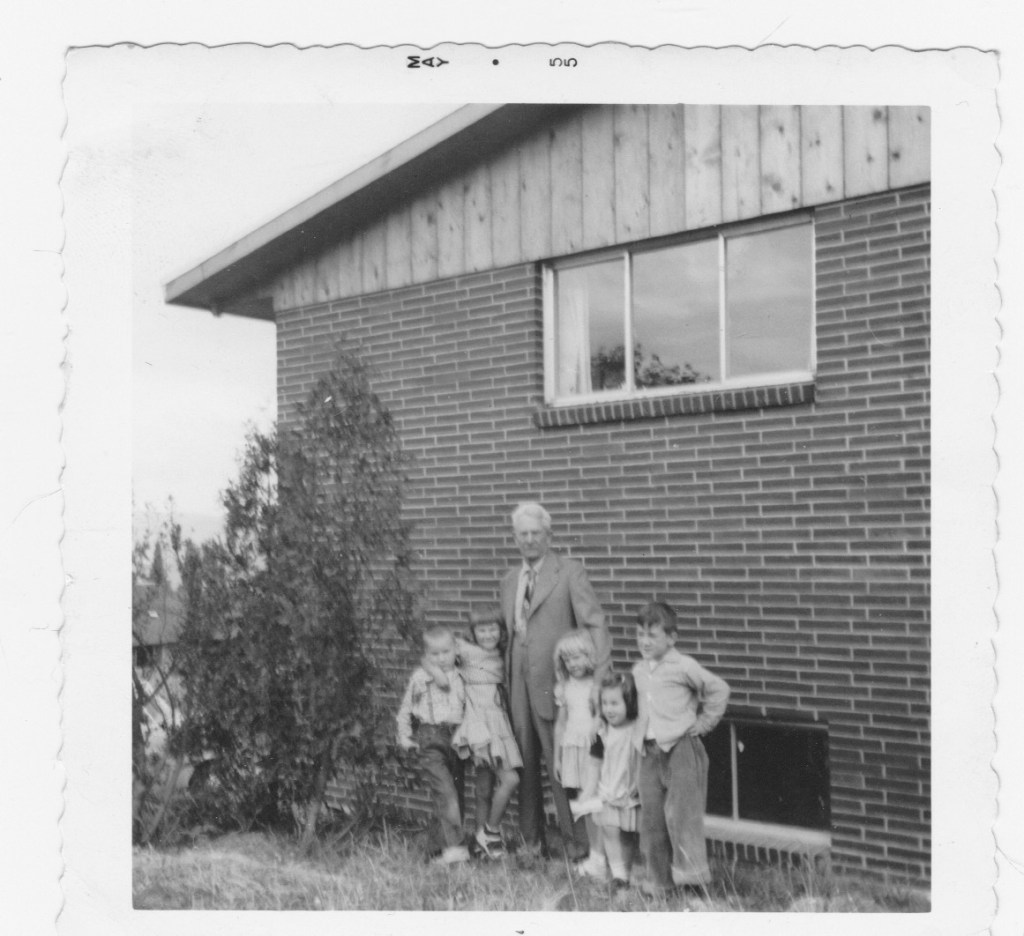
        Thomas Lonski with his grandchildren.

        So, my Grandfather Lonski built the bricks wall for my childhood home. More importantly, he was there for me during my formative years.

        He took me on outings. If we ate out, we usually ordered French Dip sandwiches—his favorite.

        During these times grandfather would tell me about our Lonski family. I remember his facial expressions. When he said his mother’s name, Marianna Napontiac, he looked wistful. His mouth was soft, and his eye pupils widened.

        On the other hand, when Grandfather spoke of his father, Michael Lonski, his eyebrows came together, and his voice became louder. He said his father had once been Michael von Lonski. Because of problems with alcohol, he sold the “von” part of his name. Since von in German means from or of, could this mean Michael had owned land and sold his right to it?

        When Grandfather was young, his hometown in Poland, was Tuchel (now called Tuchola). He lived with his mother, father and seven brothers—John, Michael, Paul, Vincent, Franz, William (named for the Kaiser) and Joseph. He was a middle child, born on December 17,1880. In 1880, 3,066 people lived in Tuchel. He grew up hearing both German and Polish spoken in his household so was fluent in both languages.

        Military School

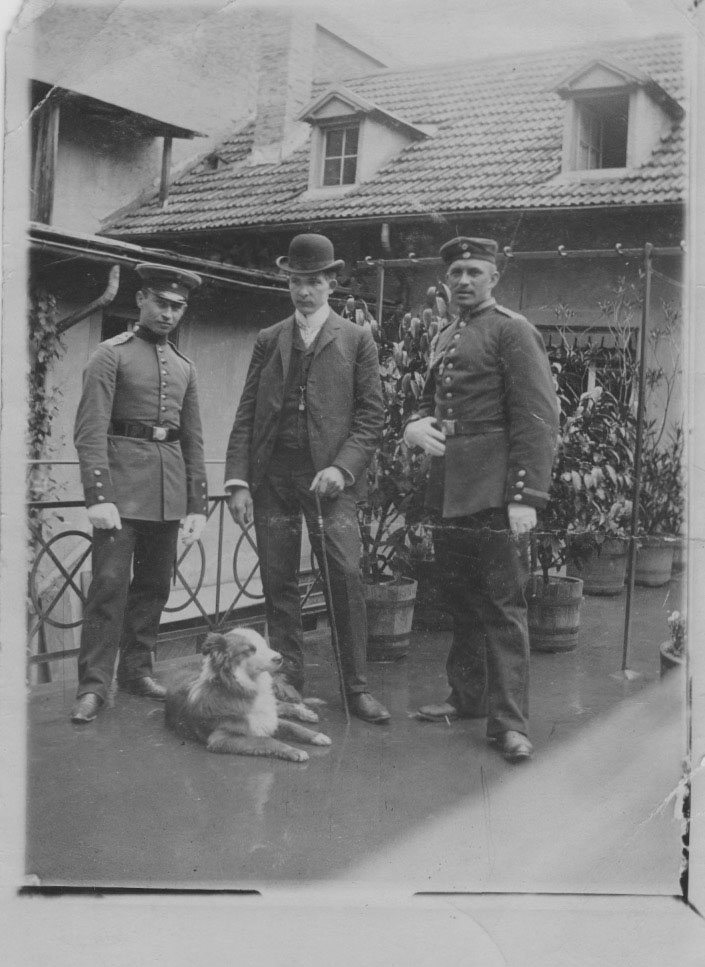
        Grandfather told me he was in the German army from 1902 to 1904.  There was compulsory military service for preteen boys in Kaiser Wilhelm’s army.

        A young Thomas Lonski at Military School

        When Gdansk Was Danzig

        He and his two brothers would visit the large port city of Danzig (now called Gdansk) when they were young men. They would roam the streets of this city by the Baltic Sea together looking for fun. Paul, born in 1877, was 3 years older than Thomas. Vincent born in 1882, was 2 years younger. Here is a photo of the three together.

        Vincent, Thomas and Paul in town before they went to Canada

        Switzerland

        He left home in 1910, he said, to avoid further military service. He found work in Switzerland as a tailor working as a cutter and fitter. I remember him talking about cutting many layers of wool fabric with extra-large scissors. I have the thimble he used from this job.

        Canada

        By 1913 he had migrated to Canada, obtained his British citizenship and lived in Saskatoon, Saskatchewan at Bose 1135. In May of 1913 his brothers Paul and Vincent met him in Saskatoon. they had in New York aboard the SS Zeeland. They had sailed from Antwerp, Belgium. These three young men Paul, a carpenter, Vincent, a plumber and Grandfather headed for Salmon Arms near Kamloops, British Columbia. They staked a land claim and built a cabin.

        Paul and Vincent returned to German Poland in December of 1913. Paul returned to a wife in Dusseldorf and Vincent to a brother, Joseph Lonski, who also lived in Dusseldorf.

        Grandfather stayed in Salmon Arms a while. He told my mother he lived with a woman there and left her rather abruptly. He went to Vancouver, B.C. where he met my grandmother, Anna Luise Taubert.

        Anna Luise Taubert

        Luise Taubert

        Grandfather said a friend named George wanted to talk to the pretty German girl working for the von Roons. The von Roons were Germans living in Vancouver, B.C., Canada while the political situation in Germany settled down. because George didn’t speak German and Thomas did. Apparently, the things my grandfather said to Luise caused her to take an interest in him. Around this time the von Roons decided it was safe to go back to Germany. Luise decided to stay in Vancouver; Grandfather thought it was because of him.

        Thomas crossed the border into the United States in 1816. Luise Taubert came to Seattle separately by ferry. They married at the courthouse in Seattle, Washington on April 18, 1916.

        Thomas lost all contact with his family. He always looked unhappy when he spoke of this.


        Climbing the Lonski Family Tree

        About 20 years ago, I started writing down information about my family on tree forms. I didn’t find anything beyond what Thomas wrote on his application for social security. His father was Michael Lonski. His mother was Marianna Napontiac.

        Then came the story of Camp No. 7, located in Tuchel and surrounded by the beautiful Tuchola forests. This was the forest Grandfather thought of when he hiked the trails around Mount Rainier close to Seattle.

        Prisoner of war camps were located in and near Tuchel in WWI. Camp No. 7 was a prisoner of war camp ran by the Germans. Poles, Italians, French, and British captured persons with imprisoned there. Conditions there were horrible and many died.

        At this time, I thought of genealogy as my hobby, It was supposed to be fun.

        Renewed Effort

        I revisited the Lonski family recently finding casualty list for German soldiers in WWI. The list (Verlustisten) named German and Austro-Hungarian soldiers who were dead, wounded, caught, missing or returned. I found 6 Vincenz Lonskis on this list. The Vincenz of Tuchel who died October 29, 1914 may have been Thomas Lonski’s brother. There were other men with the Lonski surname. There were 10 men named Franz Lonski, 11 named Johann Lonski, 5 named Josef Lonski and 1 named Paul Lonski.

        Then I started having war dreams. I again stopped looking.

        Thus, my grandfather, who had built the brick walls for our home, left me with another brick wall. It is the “I’m stuck” kind. But, I am extremely grateful he left Germanic Poland before WWI, knew and loved me and told me his stories.